
Bosch Serie 4 Washing Machine Drain Filter Cleaning Guide
Generated by ReeFix AI · Sources: technical and specialist documentation (see Sources section)
Revision of 06/05/2026
WARNING ⚠️ SERIOUS RISK. This appliance operates with potentially dangerous components (high voltage, high temperatures). Improvised DIY repair of critical devices can be fatal or prohibited by law. Physical intervention requires qualified specialized technicians to issue compliant safety certificates. ReeFix provides this diagnosis EXCLUSIVELY for educational and informational purposes.
TECHNICAL ANALYSIS
The problem of a Bosch Serie 4 washing machine emitting bad odors and leaking water from the drain filter area almost always indicates an obstruction or degradation of the drainage system. The probability is high that the problem can be resolved with targeted maintenance.
Main Causes and Probabilities:
- Clogged drain filter (63%):
- Explanation: The filter is the first barrier against lint, hair, fabric residues, and small objects (coins, buttons). Excessive accumulation prevents water flow, creating stagnation. This stagnant water, rich in organic matter from detergents and dirt, becomes a breeding ground for anaerobic bacteria and mold, responsible for unpleasant odors. The pressure of water that does not drain properly can also force small leaks.
- Key signs: Mildew smell or "sewer" smell coming from the lower front, slow or incomplete drainage (water remains in the drum), small puddles of water under the washing machine, especially after the drain cycle.
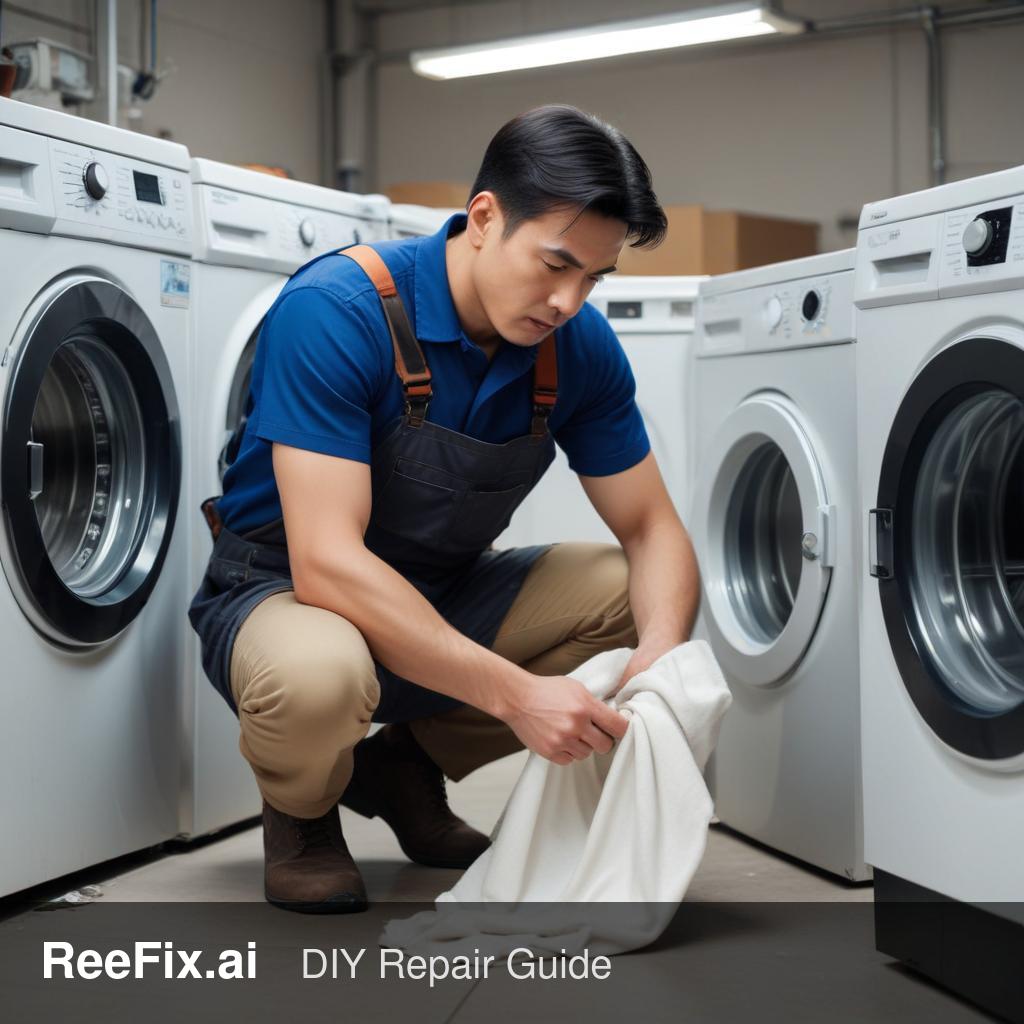
- Quick checks: Disconnect the appliance from power. Place a shallow basin and towels under the filter. Carefully unscrew the filter cap (usually at the bottom front). Inspect the filter for debris, lint, or foreign objects.
- Often happens when: The filter is not cleaned regularly (at least every 2-3 months, or more often with pets).
- Deteriorated or misplaced drain filter gasket (27%):
- Explanation: The filter cap is equipped with a rubber gasket (O-ring) that ensures an airtight seal. Over time, exposure to detergents, hot water, and mechanical stress can harden, crack, or make this gasket brittle. A compromised gasket does not seal properly, allowing water to leak out, even if the filter is not clogged.
- Key signs: Persistent water leaks from the filter cap area, even after cleaning the filter and re-screwing it. The gasket appears dry, cracked, or deformed.
- Quick checks: After removing the filter, carefully examine the gasket on the cap. Touch it to check its elasticity. Ensure it is correctly seated before re-screwing the cap.
- Common mistake: The filter cap is not screwed in completely or is misaligned after cleaning, compromising the gasket's seal.
- Minor or concomitant causes (10%):
- Clogged or kinked drain hose: A partial obstruction in the drain hose can slow down drainage, exacerbating filter problems and leading to stagnation.
- Foreign object in the drain pump impeller: If an object bypasses the filter and gets stuck in the pump impeller, it can prevent proper operation, causing drainage problems and potential leaks due to overpressure. This is less likely to be the direct cause of the odor but can contribute to stagnation.
- Excessive accumulation of detergent/limescale residues: These deposits can form bacterial biofilms and reduce the efficiency of the filter and drainage system.
SECONDARY FACTORS
- Tools needed: A shallow basin, absorbent towels, possibly a soft-bristle brush for cleaning the filter. For more complex interventions (pump, hoses), pliers or screwdrivers might be needed, but these are usually within the scope of technical expertise.
- Safety notes: Before any intervention, even the simplest like cleaning the filter, ALWAYS unplug the washing machine from the power supply. Even if it involves water, electrical components are at risk. Residual hot water can cause burns.
- Real micro-case: "Once, a customer complained of a very strong odor and leaks. They had cleaned the filter, but hadn't noticed that the gasket had hardened and cracked. Once replaced, the problem was solved. Cleaning alone is not enough if the gasket is compromised."
TL;DR - WHAT TO DO
- Unplug the washing machine from power.
- Prepare a basin and towels.
- Open and clean the drain filter (63% probability of solving). Carefully remove all debris.
- Inspect the filter cap gasket (27% probability of being the cause). If it is damaged, cracked, or hardened, it should be replaced.
- Screw the filter cap back on tightly. Make sure it is well tightened and aligned.
- Run a short test cycle. If leaks and odor persist, or if drainage is still problematic:
If cleaning the filter and checking the gasket do not resolve the issue -> contact a technician for a thorough inspection of the drain pump and piping system. If the washing machine is old (>8-10 years) and the cost of repair (e.g., drain pump) is high (>150-200 euros), consider replacing the appliance.
Washing Machine Drain Pump Filter Bosch Series 4 Washing Machine Drain Pump Seal Gasket Bosch Series 4 Small basin for appliance repairs Absorbent towels for cleaning Soft-bristle brush for cleaning Pliers for Appliance Repair
This diagnostic report is generated using an artificial intelligence system (RAG) based on the aggregation of online data. The moderation by Luca Chia (Electronic Expert) validates its logical coherence and technical plausibility regarding the described symptoms, confirming the correctness of the AI's diagnostic reasoning, without however constituting an absolute guarantee of resolution for individual cases.